


Are Cake Carts Real? The Truth About Cake She Hits Different That Nobody Is Talking About
-
By admin
- Posted on
Are Cake Carts Real? Yes — But Fakes Are Everywhere
Yes, real Cake carts exist as an established product line — but the market is flooded with counterfeits that copy the Cake She Hits Different name and packaging. Confirming a real Cake cart takes a few quick verification steps: matching batch numbers, a working QR code, packaging consistency, and buying through a legitimate seller. This guide covers what to check before you take a hit.
How the Cake Carts Real vs. Fake Problem Started
Cake grew fast in California and became one of the most recognized names in hemp-derived and cannabis vape devices. That recognition attracted counterfeiters who copy the packaging cheaply and sell through informal marketplaces. The result is that “are Cake carts real” is really two separate questions: is the brand real (yes), and is this specific cart in your hand real (needs verification).
Six Checks to Confirm a Real Cake Cart
1. Match the batch number
Real Cake carts print a batch or lot number on the packaging. That number should match the batch listed on the Certificate of Analysis (COA) for that product. If the batch is missing, generic, or doesn’t match anything a seller can produce, treat the cart as unverified.
2. Scan the QR code
Legitimate Cake packaging includes a QR code that resolves to lab results — not a broken page, not a generic marketing site. If the QR code fails to load, redirects to something suspicious, or shows lab results that don’t match your batch number, that’s a strong sign the cart isn’t real.
3. Inspect the packaging quality
- Real packaging has consistent color, sharp printing, and no misspellings
- Fakes often have blurry logos, faded ink, or slightly wrong colors
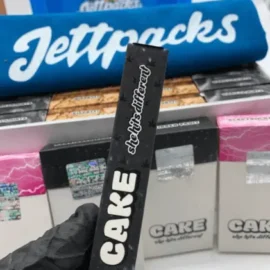
- Check the hologram if present — real Cake holograms shift cleanly, fakes look flat or matte
- Font choice and kerning on real packaging matches across the whole box
4. Confirm the oil looks right
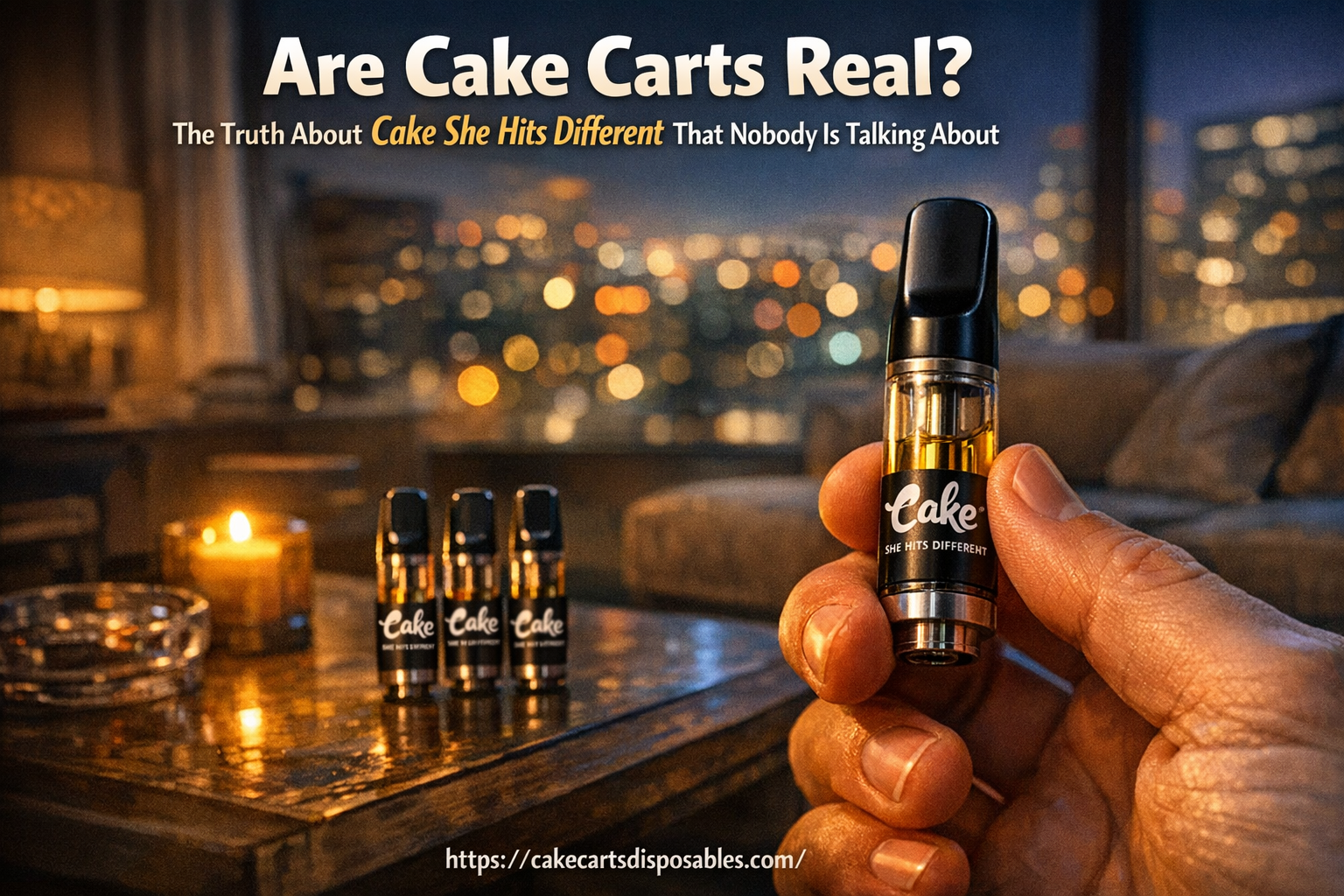
Real Cake oil should look clear to golden, with consistent viscosity. Very dark oil, cloudy oil, or oil with visible particles is a red flag. Runny, water-thin oil often signals dilution with cheap cutting agents.
5. Test the hardware
Real Cake carts have solid hardware — no rattles, no leaks around the base or mouthpiece, no burnt taste in the first few pulls. Counterfeit carts often use cheap components that leak, clog, or overheat quickly.
6. Buy through legitimate channels
The single biggest factor in whether Cake carts are real is where you bought them. Licensed retailers and vetted online stores drastically reduce counterfeit risk. Informal marketplaces, social media sellers, and prices well below normal retail are the main sources of fakes.
Common Fake Cake Cart Red Flags at a Glance
- No batch number or QR code on the box
- QR code doesn’t resolve or leads to a broken lab result
- Price is 40–60% below normal retail
- Seller can’t produce a COA on request
- Packaging misspells “She Hits Different” or the brand name
- Oil is dark, cloudy, or unusually thin
- Device leaks, rattles, or tastes burnt on first pull
What to Do if You Suspect a Fake
Stop using the cart. Contact the seller and request a COA — legitimate sellers should produce one quickly. If the seller can’t provide verification, treat the cart as unverified. Refund policies vary, but reputable retailers usually cover verification failures on the same batch.
Related Cake questions
- Are Cake carts safe? Testing and health considerations
- Are Cake bars disposable?
- What happened to Cake disposables?
- How do Cake disposables work?
