

- Your cart is empty
- Continue Shopping
Cake Carts Review
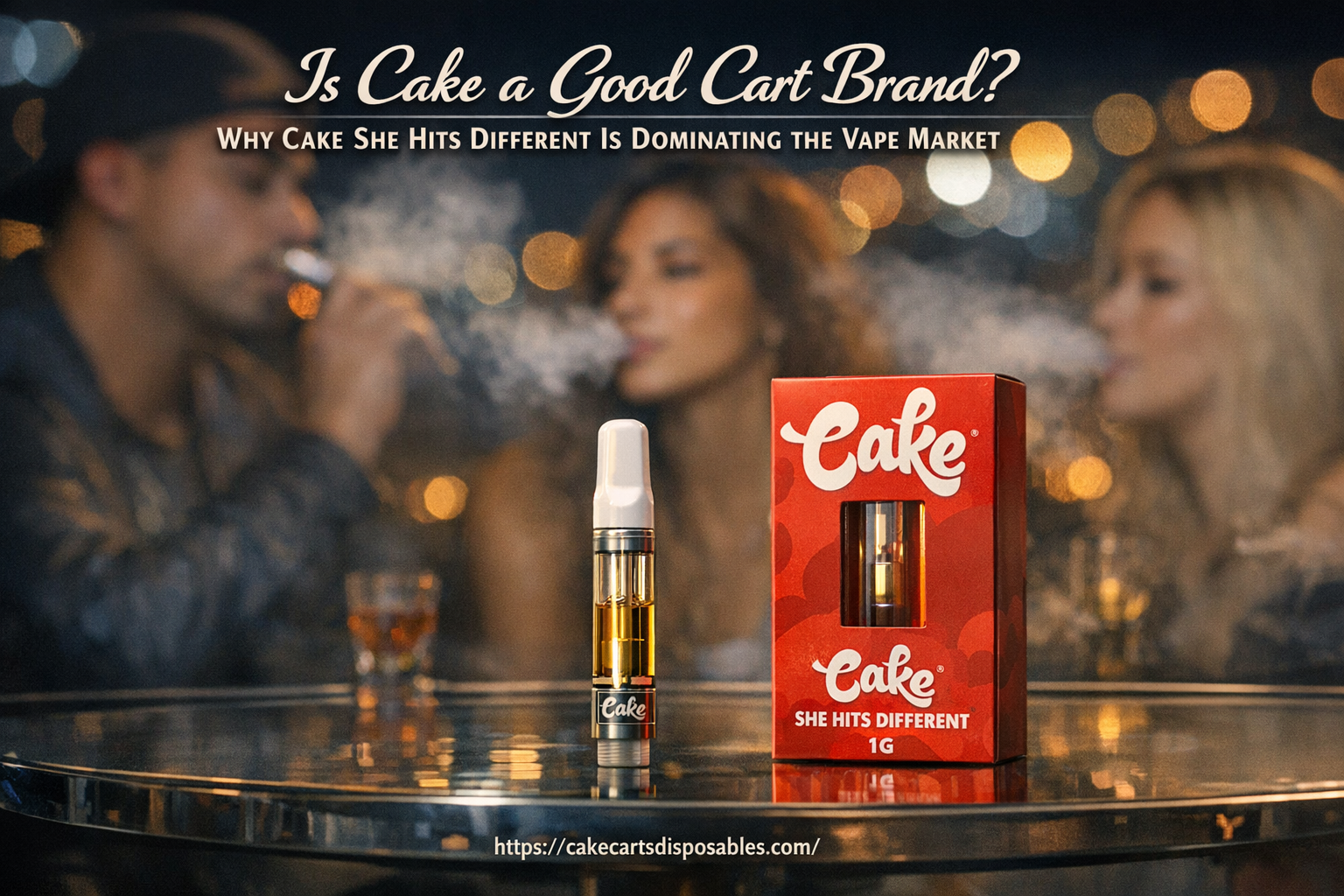
Is Cake a Good Cart Brand? Why Cake She Hits Different Is Dominating the Vape Market
-
By admin
- Posted on
Is Cake a Good Cart Brand? A Clear, Practical Answer
If you’re asking is cake a good cart brand, the honest answer is: it can be a solid option, but the “good” part depends on which product line you’re buying and how carefully you verify it. Cake has built a big following with high-THC hemp-derived formats (like Delta-8, THC-A, THC-P, and Delta-10), plus a wide range of disposable vapes and 510 cartridges. That popularity also means you need to shop smart and avoid questionable listings.
Below is a straightforward breakdown of what Cake is, why “Cake She Hits Different” has momentum, how to check if Cake carts are legit, and what to look for before you buy.
Cake She Hits Different: Brand Overview
A quick cake she hits different brand overview: Cake is best known for vape products—mainly disposables and 510-thread cartridges. Many Cake listings also highlight higher-gram disposables (for example, 3g–7g formats) and a menu of cannabinoid types that appeal to different preferences.
What Cake sells most often
- 510 cartridges (carts): Designed for standard 510 batteries.
- Disposable vape pens: All-in-one units with pre-filled oil.
- Different cannabinoid formulations: Often marketed as THC-A, THC-P, Delta-8, Delta-10, and “live resin” style options depending on the product line.
Why Cake is taking market share
- Availability: Cake products are widely listed across online retailers.
- Strong flavor branding: Cake’s identity is heavily tied to flavored, high-intensity profiles.
- Big-format disposables: Higher-gram options attract buyers who want fewer re-ups.
Is Cake Carts Legit? How to Tell Before You Buy
When people search is cake carts legit, they’re usually worried about counterfeits and lab testing. That’s a valid concern with any popular vape brand. The safest approach is to verify quality signals instead of relying on hype or packaging alone.
Checklist: what to verify
- Third-party lab tests (COAs): Look for a recent Certificate of Analysis that covers potency and contaminants. A good COA is batch-specific, readable, and from an independent lab.
- Contaminant screening: You want tests for heavy metals, residual solvents, pesticides, and microbials when applicable.
- Retailer credibility: Buy from sellers with clear contact info, policies, and consistent inventory (not a random marketplace listing).
- Realistic claims: Be cautious with exaggerated potency claims or unclear “proprietary blend” language that avoids specifics.
Pesticides and safety questions
If pesticides are your main worry, read this guide: do cake carts have pesticides. It walks through what to look for on lab reports and what red flags can signal poor sourcing.
Why counterfeits are an issue with popular carts
High-demand brands attract imitations because packaging can be copied. Lab tests and reputable sellers matter more than a logo, especially when you’re buying products people inhale.
Cake Brand Disposable Vape Review: What Users Like (and What to Watch)
A quick cake brand disposable vape review usually comes down to three factors: convenience, flavor strength, and how consistent the hardware is from unit to unit. Cake disposables can be appealing if you want a simple device—no battery, no separate cart, no setup.
Pros buyers commonly look for
- Convenience: Disposable format is straightforward.
- Flavor-forward options: Cake products often focus heavily on taste and aroma.
- Multiple “strength styles”: Different cannabinoid types can feel different from one person to the next.
Potential drawbacks to consider
- Consistency: Any brand can have unit-to-unit variation; checking batches and labs helps.
- Overly large capacity devices: Bigger isn’t always better if the oil sits too long or the coil struggles to keep up.
- Sensitivity to additives: If you’re sensitive to strong flavorings, you may prefer simpler formulations.
Who Makes Cake Carts?
People often ask who makes cake carts because they want to know if the brand is established and accountable. Cake is sold through branded storefronts and third-party retailers, with product lines labeled by cannabinoid type and format (disposables vs. 510 carts). If you can’t find clear manufacturer details, batch IDs, or lab documentation, treat that as a buying signal to pause and verify before inhaling anything.
What “accountability” looks like for vape brands
- Public-facing brand contact: Email, social channels, and a real support path.
- Batch tracking: Lot/batch numbers that match COAs.
- Clear product labeling: Cannabinoid type, volume/grams, and basic ingredient transparency.
What Is the Best Cake Cart? How to Choose the Right One
If your question is what is the best cake cart, the best choice is the one that matches your goals and comes with the strongest verification (COAs + reputable seller). Start with the format you prefer (510 cart vs disposable), then narrow down by cannabinoid type and lab results.
Pick your format first
- 510 carts: Good if you already have a battery and want more control over temperature.
- Disposables: Good for convenience and travel, with fewer moving parts.
Then choose the cannabinoid profile
- Delta-8: Often chosen for a milder THC-style feel (varies by person and dose).
- THC-A / THC-P products: Frequently marketed as stronger options; treat potency claims carefully and start low.
- Delta-10: Often positioned as more uplifting; effects vary widely.
Cake She Hits Different Brand Reputation: What to Base It On
Cake she hits different brand reputation is driven by visibility, product variety, and the fact that many buyers want high-impact vape options in legal gray zones where hemp-derived cannabinoids are sold. Reputation, though, should be earned through proof—especially lab testing and supply-chain transparency—not just popularity.
How to judge reputation the right way
- Consistency across batches: Do COAs look stable across time and products?
- Retailer quality: Are trustworthy shops carrying it consistently?
- Independent education sources: Use science-based references to understand testing and vape risk.
For educational background on cannabis testing and product safety, read state-level consumer guidance like the California Department of Cannabis Control’s explanations of testing standards: https://cannabis.ca.gov/consumers/whats-in-your-cannabis/. For general vaping health information, the CDC’s vaping resource is a reliable starting point: https://www.cdc.gov/tobacco/e-cigarettes/index.htm.
Where to Buy Cake Carts and “She Hits Different” Products
Buying from a known category page can make comparisons easier. You can browse Cakes Cart options to see current listings, and review the main storefront for Cake She Hits Different Carts if you’re comparing different formats and strengths.
Quick buying tips
- Don’t buy on price alone: If it’s dramatically cheaper than everywhere else, verify harder.
- Match the COA to the product: Batch-specific is better than generic.
- Start with smaller sizes if possible: Especially when trying a new cannabinoid type.
How Cake Compares to Best Vape Cart Brands 2024
When people search best vape cart brands 2024, they’re usually looking for brands that are consistent, well-tested, and easy to verify. Cake competes mainly on menu size (lots of product variations) and convenience (big disposables, common 510 options). The brands that lead long-term usually win on transparency: clear labs, clear sourcing, and fewer unanswered questions.
Bottom line: is Cake a good cart brand?
Is cake a good cart brand for you if you shop carefully, confirm third-party lab testing, and buy through reputable sellers. If you can’t verify what’s in it, skip it—there are too many options in the vape market to take guesswork risks.

