

- Your cart is empty
- Continue Shopping

Cake Carts Review
Do Cake Carts Have Pesticides? The Ingredient Breakdown of Cake She Hits Different Explained
-
By admin
- Posted on
Do Cake Carts Have Pesticides? What You Can (and Can’t) Know
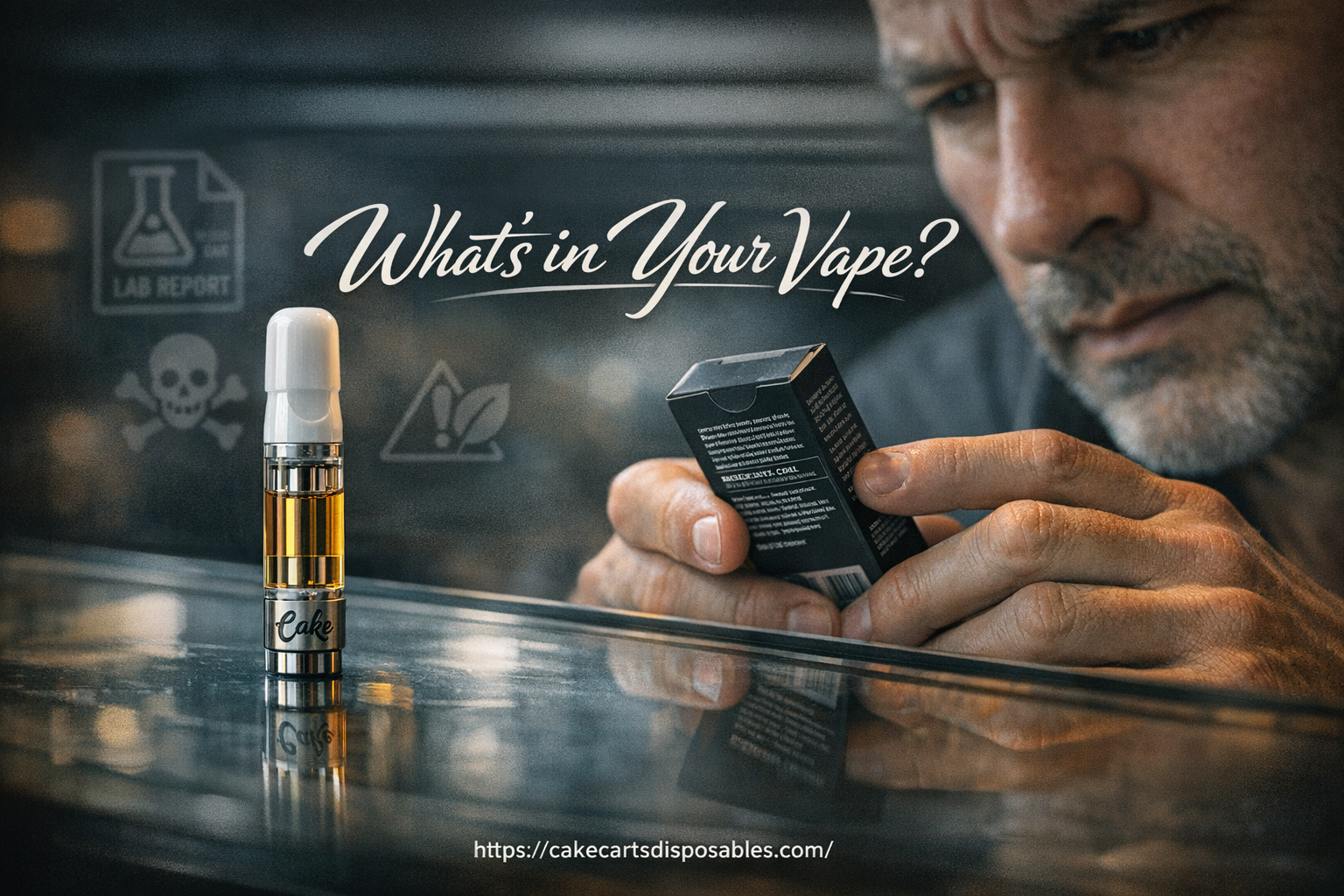
If you’re asking do cake carts have pesticides, the honest answer is: sometimes they could—especially when the product is untested, counterfeit, or bought outside a licensed market. Pesticides aren’t usually added on purpose to vape oil. They tend to come from how cannabis is grown and how oil is extracted and cleaned up. Because “Cake” style products are widely imitated, the bigger question is often whether the cart in your hand is legitimate and lab-tested in the first place.
Why this question comes up with “Cake” carts
“Cake” has become a commonly counterfeited name in the vape space. That makes safety claims hard to trust without proof. If you’re unsure about authenticity, start with this guide on are cake carts fake, because pesticide risk rises fast when products come from unlicensed sources.
What pesticides in vape carts actually are
Pesticides in cannabis vapes are typically residues—chemicals used during cultivation to control insects, mold, or mites. When cannabis is made into oil, extraction can concentrate what was present on the plant. That’s why a small residue on flower can become a bigger concern in a cartridge.
Common categories found in contaminated carts
- Insecticides (used for pests like mites and aphids)
- Fungicides (used to prevent mold and mildew)
- Miticides (target mites specifically)
Some pesticides are particularly worrying when heated and inhaled, since they were designed for agricultural use—not vaping. For background on pesticide health impacts, you can review educational resources from the U.S. Environmental Protection Agency (EPA).
Does Cake carts have pesticides more often than other brands?
People often search does cake carts have pesticides because the brand name is frequently associated with gray-market and counterfeit products. A licensed manufacturer selling through regulated channels may have test results showing the product passed pesticide screening. A counterfeit version of the same “flavor” may contain anything, including pesticide residues, because it typically skips compliance testing and quality control.
What raises the risk of pesticides in any cart
- Buying from unlicensed sellers, social media, or pop-up shops
- No batch number, no lab results, or no way to verify them
- Suspiciously low prices compared to dispensaries
- Oil that tastes harsh, chemical, or “perfume-like”
- Packaging that looks generic, inconsistent, or easy to copy
What are Cake carts made of? A realistic ingredient breakdown
When people ask what are cake carts made of or what do cake carts contain, they’re usually referring to the vape oil and added ingredients. Exact formulas vary, but most cannabis vape liquids fall into a few buckets:
1) Distillate-based oil (common)
If you’re wondering are cake carts distillate, many carts on the market use THC distillate as a base. Distillate is a refined cannabis extract with high cannabinoid content. It’s often combined with terpenes for flavor and aroma.
2) Terpenes (flavor and aroma)
Terpenes may come from cannabis or other botanical sources. They influence taste and smell, and they can change how a cart feels when inhaled. Poor-quality terpene blends can taste sharp or irritating.
3) Hardware materials
The cartridge itself includes a mouthpiece, tank, coil, and wick. Low-grade materials or contaminated hardware can add another layer of risk separate from pesticides.
What chemicals are in Cake carts—and which ones should worry you?
The question what chemicals are in cake carts has two different meanings: normal components (cannabinoids and terpenes) and unwanted contaminants (like pesticides or residual solvents).
Expected compounds (not automatically “bad”)
- Cannabinoids (like THC)
- Natural or botanical terpenes
Unwanted contaminants (the real concern)
- Pesticide residues
- Residual solvents (from some extraction methods if not properly purified)
- Heavy metals (sometimes linked to hardware, not the oil)
- Microbial contaminants (less common in oil, but regulated markets still test)
Are Cake carts synthetic?
People ask are cake carts synthetic when they suspect the oil isn’t cannabis-derived or the effects feel unusual. “Synthetic” can refer to a few scenarios:
- Non-cannabis additives used to alter thickness or flavor (higher risk in illicit products)
- Unverified cannabinoid blends (unknown source or mislabeled)
- Counterfeit oil put into branded-looking packaging
You can’t confirm “synthetic vs. cannabis-derived” by taste or packaging alone. Only verified sourcing and lab testing can answer it reliably.
Health risks: why pesticides in carts matter more when vaped
Pesticide exposure can be more concerning through inhalation because heat can change how chemicals behave. Some compounds may break down into harsher byproducts when vaporized. Potential short-term effects people report with contaminated or low-quality carts include throat irritation, coughing, headache, dizziness, and nausea.
For general education on cannabis-related public health topics and vaping concerns, the CDC’s cannabis health effects page is a solid starting point.
Cake She Hits Different lab testing: how to read a COA
If a product claims testing, you’ll usually see a COA (Certificate of Analysis). Searching cake she hits different lab testing is smart—but don’t stop at a screenshot on a box. A real COA should be traceable and specific to your batch.
What a trustworthy COA should include
- Batch or lot number that matches the package
- Lab name and contact details
- Test date (recent enough to be relevant)
- Pesticide panel results (pass/fail plus limits where applicable)
- Other safety panels (heavy metals, residual solvents, microbials)
Two common COA red flags
- COAs that don’t match the exact product or batch
- Generic PDFs with no verification method (no QR code, no lab lookup, no chain of custody)
How to lower your risk when buying Cake-style disposables
If you’re shopping for Cake Disposable Carts, use a safety-first checklist before you buy—especially if your main concern is do cake carts have pesticides.
Practical safety checklist
- Buy only from legal, licensed retailers where possible
- Ask for a COA and confirm it matches the batch
- Avoid deals that are far below normal retail pricing
- Skip carts with harsh chemical taste or unusually thin/thick oil
- Choose brands that clearly share sourcing and testing practices
Where to learn more about the product line
For brand-related context and product listings, you can review Cakes She Hits Different. Still, treat any claims as something to verify with batch-specific lab results, not as proof on its own.
Bottom line: do Cake carts have pesticides?
Do cake carts have pesticides isn’t a yes-or-no question without lab data. In regulated markets with real testing, a cart should meet pesticide limits before sale. In unregulated or counterfeit channels, pesticide residues are a realistic risk, and there’s no reliable way to confirm safety by look, flavor, or packaging alone. If you want the lowest-risk option, prioritize verified COAs, licensed retailers, and transparent sourcing every time.

